Begin with frequency and context
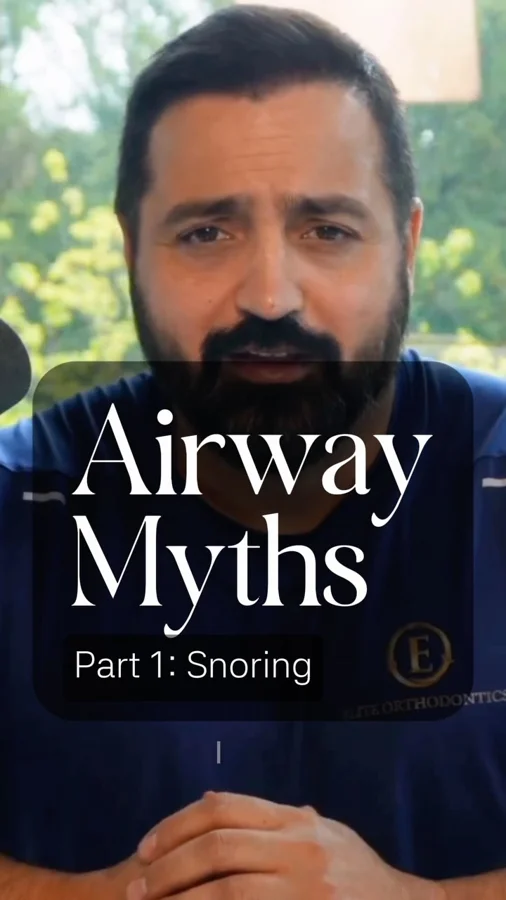
The published caption makes a useful distinction: occasional snoring can occur, while frequent snoring in a child deserves discussion with the pediatrician. The sound itself is only part of the history. How often it happens, whether it changes when the child is ill, and what else the family notices can help shape the next conversation.
A parent's role is to describe the pattern rather than diagnose it. You do not need a perfect recording or an explanation before bringing up the concern. Saying that snoring has become a regular feature of the night is enough to start asking what should be assessed.
Why an assessment looks beyond the sound
The NIH's childhood sleep-apnea guidance describes snoring, breathing pauses, mouth breathing, and some daytime changes as possible reasons for assessment. A sleep study can help establish a diagnosis when indicated. The presence or absence of one symptom cannot reliably settle the question on its own.
Share both nighttime observations and any concerns about how the child feels during the day. Avoid assuming that behavior or school performance is explained by snoring, but do include relevant changes in the history. A complete account lets the clinician decide which questions need investigation and which may have a different explanation.
Dental and medical teams contribute different information
The post emphasizes teamwork among orthodontists, pediatric dentists, ENTs, and sleep physicians. Dental assessment can identify relevant oral or skeletal findings and support referral. Medical evaluation determines whether a sleep-related breathing disorder is present and helps select an appropriate treatment pathway.
This shared approach is especially useful when a family has several concerns at once, such as a bite problem and habitual snoring. Ask who will coordinate the findings and how each recommendation relates to the diagnosis. Having a dental issue does not automatically explain the snoring, and addressing the bite does not by itself demonstrate that sleep breathing has improved.
Make follow-up part of the conversation
If a clinician recommends observation or treatment, ask what the family should watch for and when the concern will be reviewed. Research in children with mild sleep-disordered breathing shows that different outcomes can respond differently to treatment, which is another reason to define the goals rather than rely on one general promise of better sleep.
An online airway evaluation can help you organize the history before that visit. It cannot determine whether snoring is primary snoring or obstructive sleep apnea. The useful next step is a conversation that connects the observed pattern to appropriate assessment and gives the family a clear plan for reviewing progress.
Why snoring severity cannot be judged from loudness alone
The sound of snoring does not quantify respiratory event frequency, oxygenation, or sleep fragmentation. A quiet recording is therefore not proof of normal sleep, and a loud recording does not establish a specific apnea severity. Clinically, the recording is contextual information that can help describe the concern, especially when paired with the frequency of symptoms and observed pauses or recovery breaths.
The differential includes primary snoring and sleep-disordered breathing of varying severity. Dental findings may identify an associated structural concern, while a medical evaluation determines the sleep diagnosis and relevant contributors. A useful referral communicates the reported pattern and the examination findings without converting them into an unverified diagnostic label. The aim is timely assessment of a persistent symptom, rather than either dismissing it as harmless or assuming that every episode requires the same treatment.
Use outcome-specific evidence when discussing the benefit of treatment
The PATS trial illustrates why treatment discussions should identify which outcome matters. In children with mild sleep-disordered breathing, the study did not show a significant advantage for its primary executive-function or attention outcomes at twelve months, while other reported outcomes favored surgery. A statement that treatment improves every domain of development would therefore be broader than the trial supports.
For an individual child, the care conversation should distinguish symptom burden, quality of life, objective respiratory findings, and the expected effects of a proposed intervention. The appropriate option depends on the medical assessment and the family’s informed discussion with the treating team. Orthodontic evaluation can contribute when there is a relevant dentofacial concern, but snoring itself does not establish an indication for expansion. A clear diagnosis and a defined follow-up endpoint make the benefits and uncertainties of care easier to evaluate.
Bring the conversation to your visit.
- Does the frequency and pattern of snoring warrant further sleep assessment?
- Which dental or medical findings could be relevant to this concern?
- How will we know whether the chosen plan has addressed the sleep problem?
Supporting studies & resources
These resources add clinical context to the original post. Each publication should be read with its study population, methods, and outcomes in mind.
- Sleep Apnea in Children National Heart, Lung, and Blood Institute · 2025 · Patient education
- Policy on Obstructive Sleep Apnea (OSA) American Academy of Pediatric Dentistry · 2026 · Professional policy
- Adenotonsillectomy for Snoring and Mild Sleep Apnea in Children: A Randomized Clinical Trial JAMA · 2023 · Randomized trial